Here's a question worth sitting with: you're a reseller. Your entire business model is built on selling other people's products at a margin. You didn't design the shoes, blend the whiskey, or manufacture the supplements. So why are you the one paying a photographer to take pictures of them?
The answer, for most resellers, is inertia. "That's just how it's done." But it doesn't have to be — and for the resellers who figure out a better approach, the savings in time and money are substantial.
The fundamental insight: product photos already exist for almost everything you sell
Think about the lifecycle of a product before it lands in your warehouse. A brand spends months on packaging. They hire a product photographer. They do editorial shoots for their catalogue. They supply images to Amazon, to their retail partners, to trade publications, to their own press section.
By the time a product is available for you to resell, there are almost certainly professional photos of it already out there — on media databases, on distributor portals, on brand press pages, in Google's index. The photos exist. The problem is finding and retrieving them at scale.
For a single product, you can do this manually in five minutes. For a catalogue of 1,000 SKUs, you're looking at 80+ hours of manual work — assuming you find what you need on the first try every time, which you won't.
What resellers actually need from product photos
Before getting into how to source them, it's worth being precise about what you need, because not all product photos serve the same purpose:
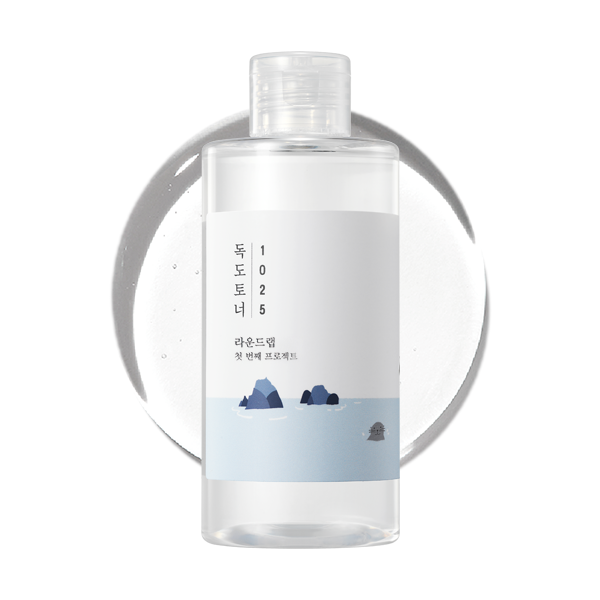
- White background / packshot images — the standard for ecommerce listings. Clean, neutral, shows the product clearly. These are what you need for your Shopify product pages and for Google Shopping feeds.
- Lifestyle/editorial images — products in context. Useful for social, email, and homepage banners, but not what you need for 1,000 product listings.
- Detail/feature shots — close-ups of specific features. Occasionally useful for high-value products where the detail matters to the buying decision.
For bulk catalogue work, the white background packshot is what you're after. It's also the most widely available — brands produce these specifically for retail partners.
How resellers traditionally source product photos
Distributor and brand portals
Many major brands maintain asset portals for their retail and distribution partners. Nike has a partner portal. So do most large consumer goods companies. If you have a formal reseller agreement and an account login, you can often download official product images directly.
The catch: not every brand has one, the portals are inconsistently maintained, and you need individual accounts for each brand you carry. For a reseller carrying 50 different brands, maintaining 50 separate logins is its own part-time job.
Contacting reps directly
Your brand reps often have access to media kits and press assets and will share them on request. This works well for the 20% of your catalogue that drives 80% of your revenue — the hero SKUs where you want the best possible imagery. It doesn't scale to 800 long-tail products.
Amazon and major retailer scraping
Some resellers informally use images from Amazon or major retailers as a shortcut. The quality is usually decent. The legal standing is murky at best — those images were produced for or licensed to specific retailers, and using them without permission puts you in a grey area that could become a problem as your store grows.
Search and manually collect
The most common approach: Google "[product name] white background photo", find something that looks right, download it, upload it to Shopify. Works fine. Takes forever.
Renegade — a retailer with 4,000+ Nike, Lululemon, and running brand SKUs — had exactly this problem. "It takes way too long to find photos for each product." The solution wasn't better Google skills. It was automating the search itself.
The automated approach: letting software do the searching
The practical solution for high-SKU resellers is to automate the search phase. Instead of manually hunting for each product image, you use a tool that takes your product catalogue, searches for existing brand photos, and presents them for your review.
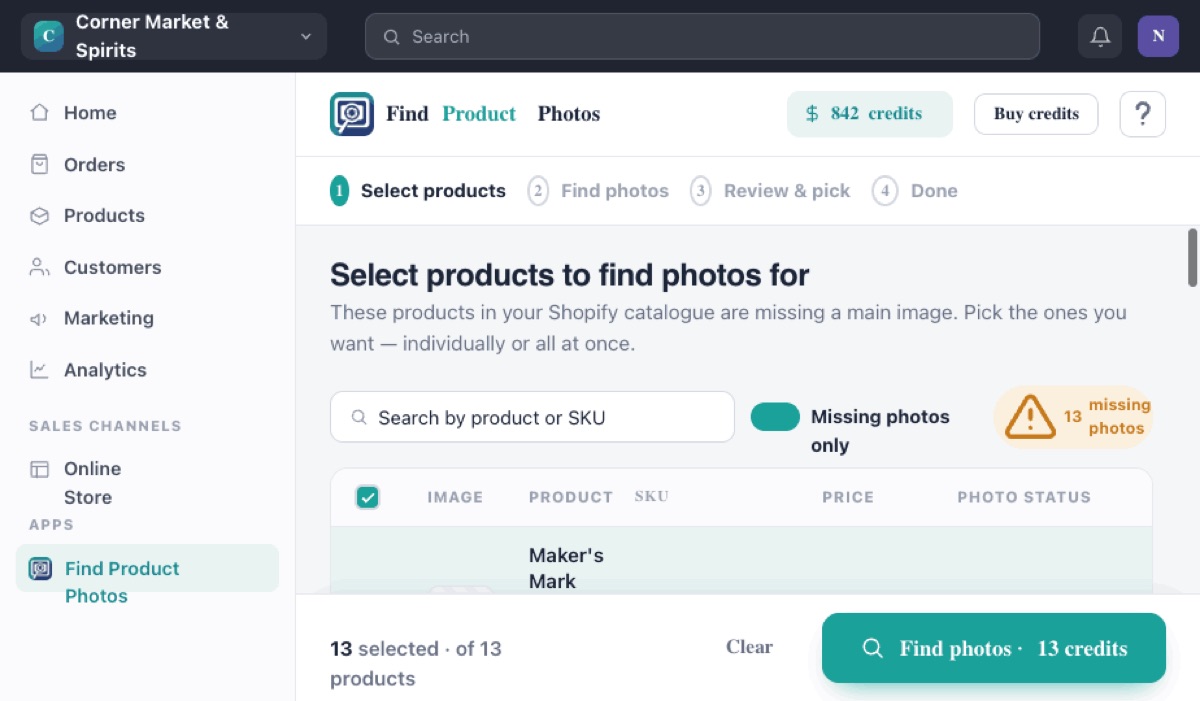
Find Professional Product Photos is built specifically for Shopify resellers with this problem. The workflow:
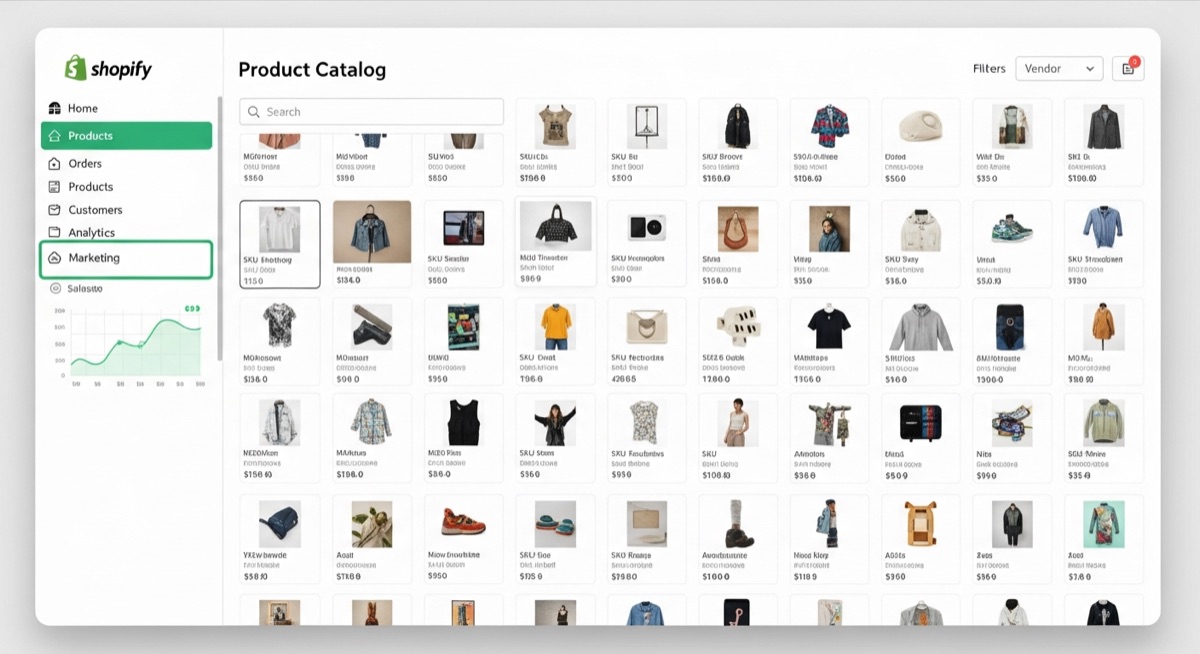
- Connect to your Shopify store — the app reads your product catalogue
- Select products — choose a collection, a subset, or your entire catalogue
- Review results — the app returns existing brand photos for each product title
- Approve and upload — choose the images you want; they go straight to your Shopify listings
The key distinction from AI photo generation tools: this finds real photos, not AI-synthesized versions. For branded products, that matters — the logo is correct, the label is accurate, the colorways match what you actually sell. A customer who buys based on a photorealistic but slightly wrong AI rendering is going to be annoyed when the product arrives.
How to handle the gaps
No automated tool will cover 100% of any reseller's catalogue. Here's how to handle the products it misses:
Newly launched products
If a product launched last week, the web hasn't had time to index quality photos yet. For new releases, use distributor assets directly — most reps will provide files for new products as part of the launch process.
Exclusive or limited products
Products only sold through your store (exclusives, custom bundles, private labels) need original photography because no brand photo exists. These are typically a small fraction of any reseller's catalogue — worth the investment for actual hero products.
Very small brands
An indie brand with minimal web presence may not have quality photos indexed anywhere. Email them. Genuinely small brands almost always have a few professional photos and will send them to a retailer who asks politely.
The numbers: what a full catalogue photo project actually costs
Let's be concrete. Say you're a reseller with 1,200 SKUs across three brands — sporting goods, equipment, and apparel.
- Photographer route: $25/product × 1,200 = $30,000 upfront. Then reshoot fees every time products change.
- Manual search route: 5 minutes per product × 1,200 = 100 hours. At $20/hr for a VA, that's $2,000 in labour — and you're dependent on that person's availability and judgment on every image.
- Automated route: The Main Street plan on Find Professional Product Photos is $99 for 1,000 photo credits. 1,200 products would use two credits each on average — you'd spend around $200 total, and the review process (approving or rejecting what was found) is an hour of your time, not a hundred.
The economics are clear. The only question is why more resellers aren't doing it this way already — and the answer is usually that they didn't know the tool existed.
Built for resellers with big catalogues
Get professional brand photos onto your Shopify listings without a photographer. Start with 10 free credits.
Try it free on Shopify →A note on copyright and brand photos
It's worth addressing this directly, because it's a legitimate question. When you're using brand photos on your reseller store, are you in the clear?
The general industry practice — and the legal position most IP lawyers will give you for genuine authorised resellers — is that reselling genuine branded products typically comes with an implied right to use brand imagery to accurately describe the product you're selling. The brand's legal interest is in accurate representation, not in blocking legitimate resellers from showing their products.
That said, this isn't legal advice, and the specifics vary by brand and jurisdiction. The safest path is to use images from official brand portals where they've been explicitly made available for partner use. Where that's not available, the photos found by search tools for legitimate products sold by genuine resellers occupy a reasonable grey area that the industry largely operates in.
When in doubt: ask the brand. Most are happy to provide official assets to accounts they recognise.